

The January 2026 Instagram Incident: 17.5 Million Accounts Exposed
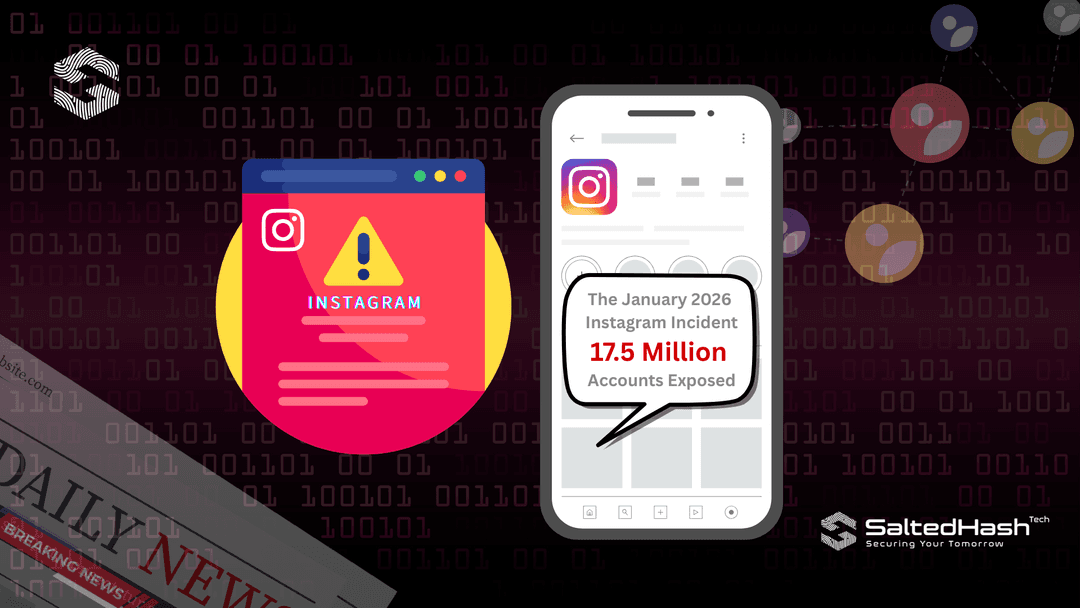
If your email inbox recently flooded with Instagram password reset requests that you did not initiate, you are not alone. These emails are the visible symptom of a larger data exposure event that occurred in early January 2026.
While Meta has stated that their systems were not compromised, the data circulating on the dark web is real. Here is a professional analysis of the Solonik Leak, what actually happened, and the specific steps you must take to secure your digital identity.
The Incident
On January 7, 2026, a threat actor known as Solonik released a significant dataset on the dark web marketplace BreachForums. This database contained personal records for approximately 17.5 million Instagram users.
The exposed data included:
- Usernames and Real Names
- Email Addresses
- Phone Numbers
- Follower Counts
- Partial Location Data

It is important to note that passwords were not exposed. This was not a direct breach of Instagram's core database. Instead, it was a mass-scraping event, a method where automated bots collect public and semi-public data from user profiles on a massive scale.
The Attack Vector
You may wonder: If they do not have my password, why am I receiving reset codes? This is a tactic known as a Notification Fatigue attack. Scammers utilized the 17.5 million leaked email addresses to trigger the Forgot Password function on Instagram's login page millions of times simultaneously.
The attackers aim to create panic. They hope that in your confusion, you will click a fraudulent "Cancel This Request" link embedded in a phishing email, which would then trick you into revealing your actual credentials.
Understanding the Risk
To respond effectively, one must understand the nature of the threat.
- A Hack: An unauthorized entity gains access to the server or steals your private keys (passwords/session cookies). This is comparable to a burglar stealing the physical key to your home.
- A Scrape: An unauthorized entity collects data that is publicly visible or accessible via an API. This is comparable to someone observing your home from the street and recording your address, your schedule, and the layout of your windows.
While your account remains locked to the attackers, your identity is now public intelligence. Scammers will use this data to craft highly convincing Spear Phishing attacks because they now possess your correct name, phone number, and account details.
A Timeline of Exposure
This January 2026 incident is not an anomaly; it is part of a recurring pattern of API vulnerabilities and third-party mismanagement. Instagram's massive user base makes it a high-value target, and history shows that data "scraping" is a persistent threat.
Here is the track record of major exposures:
- 2017 (The Celebrity Hack): A bug in Instagram’s developer API allowed attackers to scrape phone numbers and email addresses for 6 million accounts, including high-profile celebrities. This was the first major warning that their API side doors were not locked.
- 2019 (The Chtrbox Leak): A third-party marketing firm, Chtrbox, left a database unsecured on Amazon Web Services (AWS). This negligence exposed 49 million records, including private emails and phone numbers of influencers to the public internet.
- 2020 (The Massive Scrape): Researchers discovered an unsecured database containing 235 million profiles from Instagram, TikTok, and YouTube. This data was scraped and compiled without authentication, proving how easily public data can be weaponized in bulk.
- 2021 (SocialArks): A misconfigured server at SocialArks exposed over 214 million social media accounts. No hacking was required; the server was simply left open, allowing anyone to peek inside without a password.
The Expert Take: Notice a pattern? These aren't always traditional "hacks." They are often failures in API governance or Vendor Risk Management. While Meta eventually patches the specific bugs, the reactive approach is insufficient. By the time the patch is live, the data is already sold.
Defense Strategy
You cannot control what happens on the dark web or cannot remove the data that has already been leaked. However, you can implement specific controls that render this data useless to an attacker.
1. Transition Away from SMS Authentication
Because phone numbers were included in the leak, SMS-based Two-Factor Authentication (2FA) is now a vulnerability. Sophisticated attackers can use SIM Swapping techniques to intercept these text messages.
- The Solution: Disable text message authentication immediately.
- The Replacement: Enable an Authenticator App such as Google Authenticator, Microsoft Authenticator, or Authy. This generates codes locally on your device that cannot be intercepted via the cellular network.
2. Verify Communication Channels
Attackers often send emails that appear identical to official Meta security alerts. You must verify the source before taking action.
- The Method: Navigate to Settings to Emails from Instagram within the app.
- The Rule: If an email you received does not appear in this official log, it is fraudulent. Delete it immediately.
3. Maintain Security Hygiene
If you receive a password reset code that you did not request, do not take action. This indicates that a bot attempted to reset your password and failed. If you do not click any links, your account remains secure.
The Bottom Line
The January 2026 incident serves as a reminder that data privacy is difficult to guarantee in the modern digital ecosystem. Even when a platform is not technically hacked, its side doors such as public APIs can still lead to data exposure.
Do not wait for the next headline. Harden your authentication methods today and treat every urgent security alert with a high degree of skepticism.